Every new file, the day it is filed.
The signal
On Tuesday the Associated Press called Georgia’s governor’s race for Keisha Lance Bottoms over Republican businessman Rick Jackson, and reported that she is the first Black woman to be elected governor of Georgia. That is the AP’s call, not the state’s certified count, so this piece gives no percentage. The call is enough to stop and look at the record, because Georgia has spent a long time writing down who is allowed to hold a seat in its government, and the paper is still there to read.
The mirror
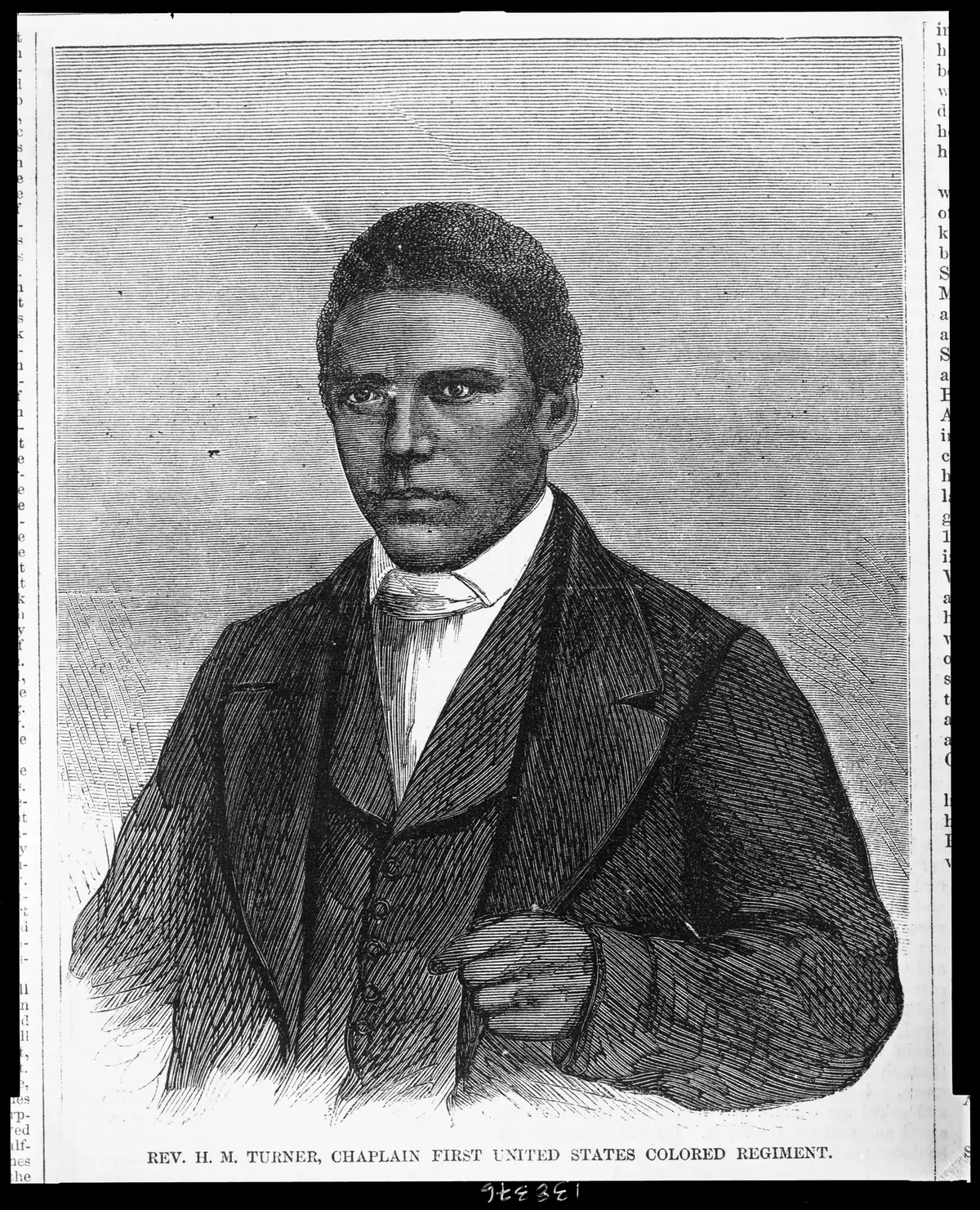
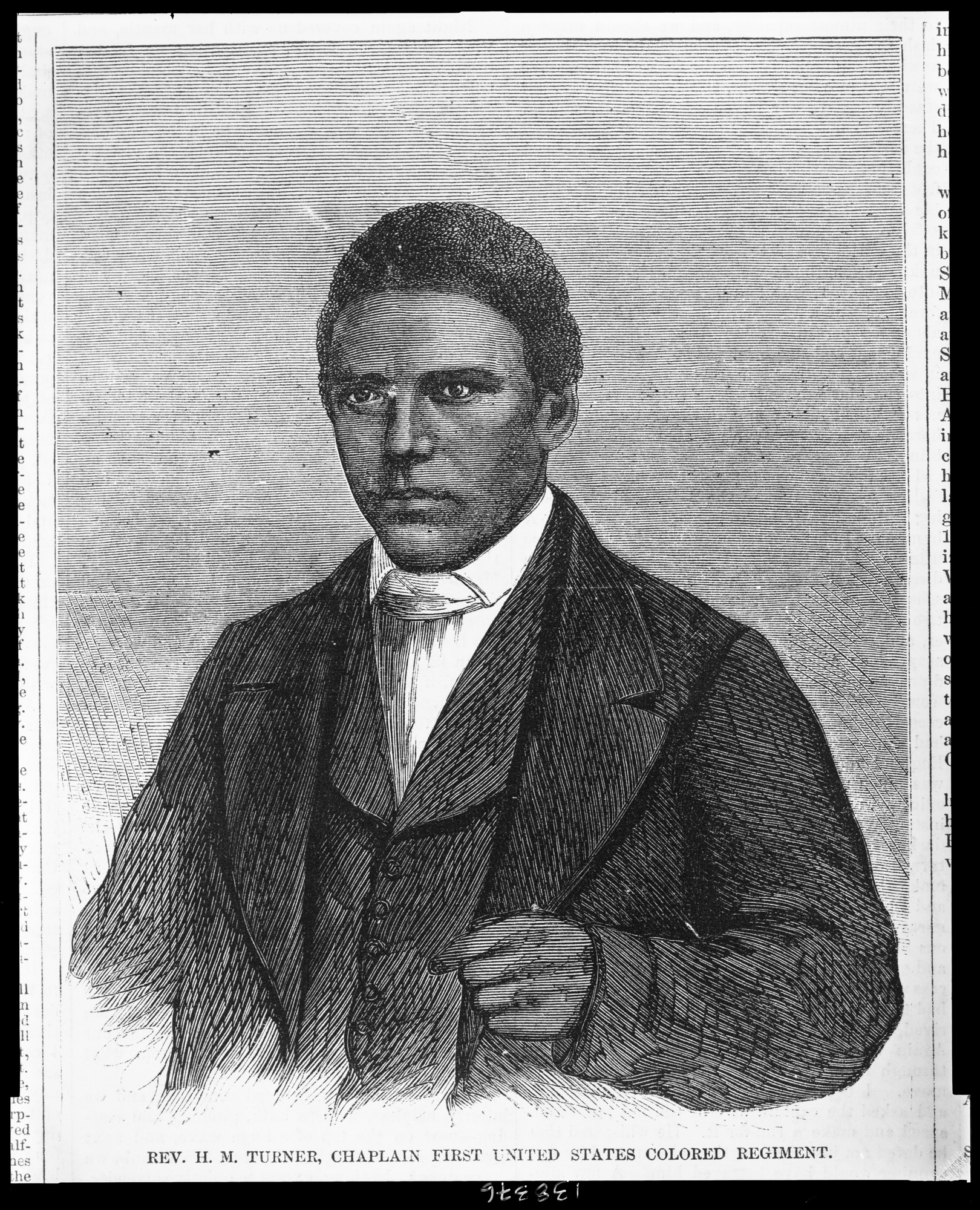
Wednesday, August 26, 1868. In the Georgia House, Mr. Duncan of Houston offered a substitute resolution with 29 names in it, each followed by a county: Allen of Jasper, Barnes of Hancock, Campbell of McIntosh, Colby of Greene, Turner of Bibb, and 24 more. The resolution said those members, “holding seats on this floor, are not eligible thereto under the Constitution of Georgia, said members being free persons of color,” and that they “be no longer regarded or recognized as members of this House.”
The next day the House divided the question and postponed four of the cases. On Thursday, September 3, the main question carried, 83 to 23. Then the Journal records this: “The colored members, formerly, now persons, entered their protest against the action of the House, requesting that the same be entered on the Journal of the House; which was refused until said protest was corrected.”
On September 8 the governor wrote to the House about “the twenty-five members by you declared ineligible upon account of color.” On September 9 the House voted to seat, in their place, the men who had received the next highest vote, “provided none of them are men of color.” Eleven of those men took the oath that day. On the same page the Journal prints in full a protest from Mr. Bryant of Richmond, who called the House’s action “null and void.” The Journal kept his protest. Of theirs it kept a line, and the next day one more: a protest “in the name and behalf of Mr. Porter and others,” which “was laid upon the table.”
In 1944 the same question came back through a different door. The state Democratic Executive Committee called its July 4 primary for “All white electors who are Democrats.” Primus King, a registered voter in Muscogee County, offered to vote and was turned away, the court wrote, “solely because he was of the colored or negro race.” In 1946 the Fifth Circuit looked at how Georgia’s own laws ran that primary and said of the state: “It adopts the primary as a part of the public election machinery.” The court affirmed the judgment for King.
The pattern
Set those two records beside each other and the move is the same. Both times the vote stays on the books. Somebody redraws who counts as eligible to use it, or to sit where it leads. In 1868 the word was “eligible” and the test was color. In 1944 the word was “electors” and the test was a party rule the state enforced.
The record has a gap in it, and the gap belongs in this piece. No woman’s name is on that 1868 page. One woman’s own words are in this file, and they are about civic work. In May 1914, at a student conference in Atlanta, a speaker printed as Mrs. John Hope said: “Our Neighborhood Union, an organization of colored women in Atlanta, considers that the conservation of the child is a prior factor in the problem of social improvement.” For the vote, this file holds no record in a Black Georgia woman’s own hand. That is a limit of this file. It is not proof she was absent.
The mechanism
A cycle like this keeps running two ways. The record gets kept off the page, the way the House kept the members’ protest off its Journal and printed lines about it instead. Or the record is there, in the institution’s own files, and nobody reads it. Fair Fight Action, Inc. v. Raffensperger was a federal voting rights case over how Georgia ran its elections. It went to trial after the 2018 governor’s race, which Stacey Abrams lost. In 2022 the court found “IN FAVOR of Defendants and against Plaintiffs on all remaining Counts.” The same opinion opens by calling it a case “that resulted in wins and losses for all parties.” Weighing racial appeals in Georgia campaigns, it records that former Senator David Perdue “accused Stacey Abrams of ‘demeaning her own race.’” The court found that the racial-appeals factor “weighs in favor of finding a Section 2 violation.”
The state keeps other records now, and some of them are about the women that 1868 page left off. Georgia’s own Department of Public Health counted pregnancy-related deaths from 2019 through 2021 and found 59.5 per 100,000 live births for non-Hispanic Black women against 24.2 for non-Hispanic white women.
On the table
The 1868 Journal is open to anyone. Read the 29 names on page 222. Read page 243, where the clerk records a protest the House refused “until said protest was corrected,” and then page 304, where the Journal prints one. Then ask the question this piece could not answer from the records it stands on. Where are the Black women of Georgia in the record of the vote? The Atlanta Daily World of March 20, 1953 is one place to start looking. Its front page reports a drive to register “more Negro voters in Fulton” County, and the same page runs a photograph of women who “offered their telephones” to “speed registration,” led, the caption says, by “Mrs. F. V. Brooks.” The caption gives no first name, and it does not say who the women were. If you hold that record, in a family Bible, a church minute book, a county file, the archive wants to know where it is.
How this file was made
Every claim in the docket traces to a public document.
Its clearance record shows these checks, in order:
Engine. Receipts. Canon. Copy edit. Voice. Line edit. Proofread. Approval.
The 7 sources · What we have corrected · WR-FCT-038 · 10.5281/zenodo.23969918
Cite this file
Word Reimagined, “INELIGIBLE,” WR-FCT-038, https://doi.org/10.5281/zenodo.23969918.
The number is permanent. WR-FCT-038 names this file today and will name the same file in ten years. Add the date you retrieved it.
This file is also deposited with Zenodo, at CERN, under 10.5281/zenodo.23969918. That copy carries the essay whole, its docket and its source ledger, and it outlives this domain.
Trace record
Every claim in this file resolves to a source in the custody ledger.
- Bottoms elected Georgia governor (AP, via PBS NewsHour live results)
Associated Press, carried on PBS NewsHour's Georgia governor live results page, November 3-4, 2026: “Democrat Keisha Lance Bottoms has made history as the first Black woman to be elected governor of Georgia, defeating Republican businessman Rick Jackson on Tuesday.” An AP call on unofficial returns; not the certified count.
article B
- Journal of the House of Representatives of the State of Georgia, Called Session, 1868
Journal of the House of Representatives of the State of Georgia, at the Called Session of the General Assembly, commenced at Atlanta, July 4th, 1868 (Atlanta: J. W. Burke & Co., 1868). Emory University scan, Internet Archive item 06095483.3573.emory.edu. Printed p. 222 (Wed., Aug. 26, 1868): Mr. Duncan, of Houston, offers a substitute naming 29 members who are “not eligible thereto under the Constitution of Georgia, said members being free persons of color,” resolving they “be no longer regarded or recognized as members of this House.” Printed p. 229 (the next day's business): “the question was divided, and the cases of Madison Davis, F. H. Fyall, T. P Beard and Edwin Belcher, were postponed for the present.” Printed pp. 242-243 (Thu., Sept. 3): “resulted in ayes 83 ; nays 23,” and “The colored members, formerly, now persons, entered their protest against the action of the House, requesting that the same be entered on the Journal of the House; which was refused until said protest was corrected.” Printed p. 294 (Governor's message dated Sept. 8th, 1868): “the twenty-five members by you declared ineligible upon account of color”; pp. 294-295 list the 25. Printed p. 304 (Wed., Sept. 9): the House seats those with the next highest vote, “provided none of them are men of color,” eleven take the oath; Mr. Bryant, of Richmond, presents a protest “ordered to be placed upon the Journal,” calling the action “null and void.” Printed p. 305 (Thu., Sept. 10): “Mr. Caldwell presented a protest in the name and behalf of Mr. Porter and others, against the action of the House on the eligibility of colored members, which, upon the motion of Mr. Rawls, was laid upon the table.”
archive A
- Chapman v. King, 154 F.2d 460 (5th Cir. 1946)
Chapman v. King, 154 F.2d 460 (5th Cir. 1946), No. 11494, decided March 6, 1946 (Sibley, Circuit Judge). The primary “was appointed to be held July 4, 1944, by the Democratic Executive Committee of the State,” and the call provided: “All white electors who are Democrats and qualified to vote in the General Election … are hereby qualified to vote in said primary.” King “was denied the right by the appellants … solely because he was of the colored or negro race.” Of the State: “It adopts the primary as a part of the public election machinery.” Disposition: “The judgment is accordingly affirmed.” The same opinion allows that “there may be parties composed wholly of whites, or wholly of colored people”; the holding rests on the State's own regulation of the primary.
archive A
- Fair Fight Action, Inc. v. Raffensperger, Opinion and Memorandum of Decision (N.D. Ga. Sept. 30, 2022)
Fair Fight Action, Inc., et al. v. Brad Raffensperger, et al., No. 1:18-CV-5391-SCJ (N.D. Ga.), Doc. 916, Opinion and Memorandum of Decision, filed 09/30/22, 288 pp. Opening: “This is a voting rights case that resulted in wins and losses for all parties over the course of the litigation.” Holding (pp. 287-288): “the Court finds IN FAVOR of Defendants and against Plaintiffs on all remaining Counts of Plaintiffs' Second Amended Complaint.” The opinion records, as evidence of racial appeals in campaigns under Section 2, that former Senator David Perdue “accused Stacey Abrams of ‘demeaning her own race’” (p. 283).
archive A
- Maternal Mortality, Georgia, 2019-2021 Case Review
Georgia Department of Public Health, Maternal Mortality 2019-2021 Case Review. Table 4, Pregnancy-Related Deaths, Georgia, 2019-2021: Non-Hispanic Black, 76 deaths (57%), 127,760 live births (34%), pregnancy-related mortality ratio 59.5 per 100,000 live births; Non-Hispanic White, 39 deaths (29%), 160,976 live births (43%), ratio 24.2.
web A
- Work of a Neighborhood Union (address by Mrs. John Hope, 1914)
Mrs. John Hope, Atlanta, Ga., Moorehouse College, “Work of a Neighborhood Union,” in A. M. Trawick, ed., The New Voice in Race Adjustments: Addresses and Reports Presented at the Negro Christian Student Conference, Atlanta, Georgia, May 14-18, 1914 (New York: Student Volunteer Movement, 1914), pp. 153-154. University of California Libraries scan, Internet Archive item newvoiceinracead00negriala. Printed p. 153: “Our Neighborhood Union, an organization of colored women in Atlanta, considers that the conservation of the child is a prior factor in the problem of social improvement, and we believe that the best way to save the child is through the home.”
archive A
- Women Volunteer for Registration Effort (Atlanta Daily World, March 20, 1953)
Atlanta Daily World, Friday, March 20, 1953, p. 1, photo caption: "WOMEN VOLUNTEER FOR REGISTRATION EFFORT — Under the leadership of Mrs. F. V. Brooks, a group of women offered their telephones and their efforts to speed registration." Georgia Historic Newspapers (Digital Library of Georgia), LCCN sn82015425, 1953-03-20, ed. 1, seq. 1.
archive A
Sources are graded A (primary) / B (secondary academic) / C (secondary journalism) / D (tertiary or contested). See the manifesto’s Evidence Standard for full criteria.
File custody
- File
- INELIGIBLE
- Accession
- WR-FCT-038
- Thread
- Standalone
- Status
- published
- Published
- 2026-11-05
- As of
- 2026-11-04
Theme custody
Support is welcome and never required. The door is open; it is not a request.