An Opportunity Zone is a federal designation created under the 2017 Tax Cuts and Jobs Act. Governors nominate census tracts. Treasury certifies them. Once certified, an investor who moves capital gains into a Qualified Opportunity Fund pays no tax on the gains that investment earns for up to ten years.
The public argument was clean: capital would flow into low-income communities the market had passed over. Jobs would come. Neighborhoods would turn around. Growth would spread out fairer than before.
Here's what it did instead.
Most of the money went where money was already heading. Urban tracts sitting right on the edge of the turn. The designation didn't open a door. It sped up a clock that was already running, deferred taxes for investors who'd have moved regardless, and wrote no rule, not one, that the people already living there had to see a dime.
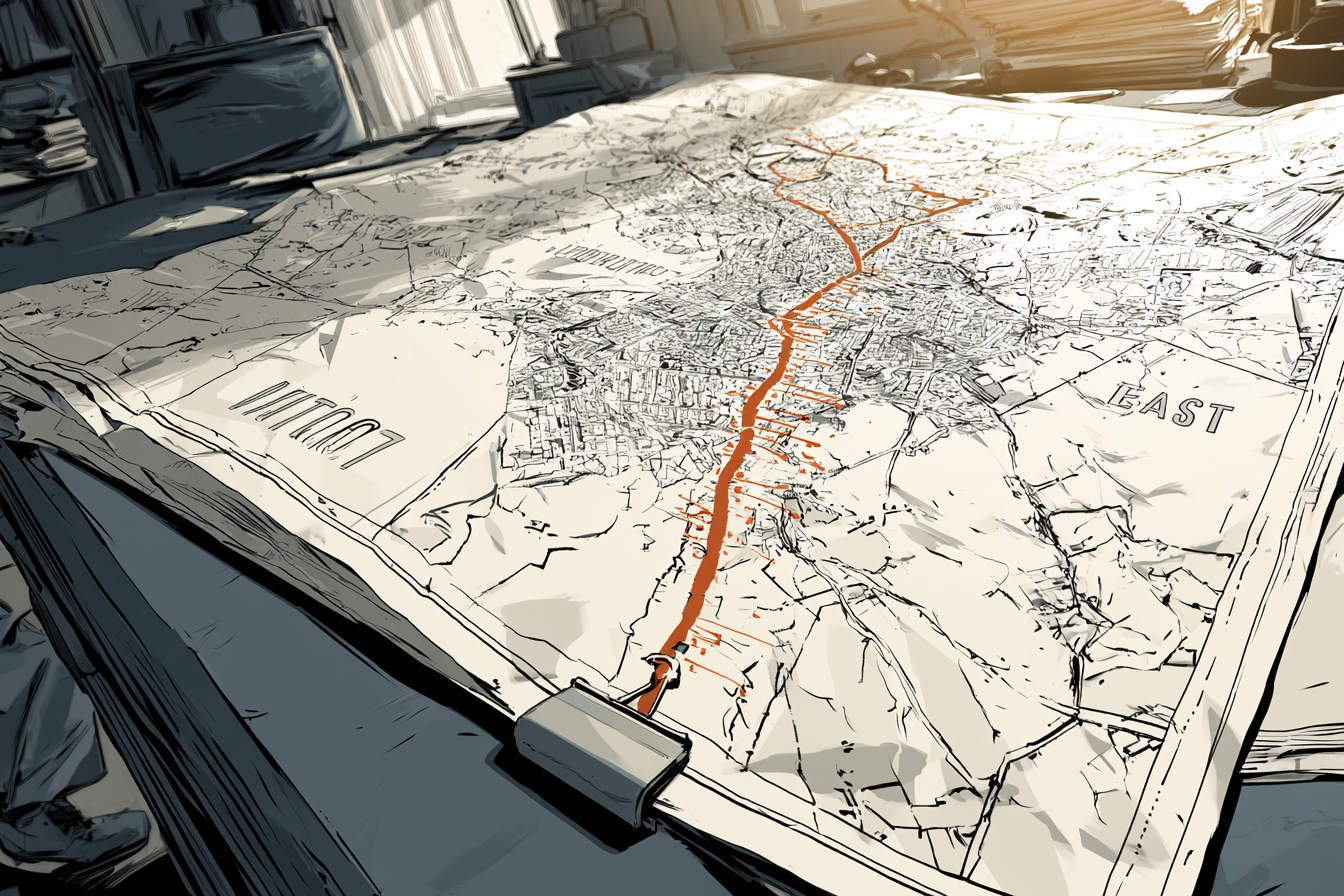
Follow it back. The zones was drawn by governors. Governors briefed by redevelopment authorities, authorities advised by development groups. The development groups already knew which corridors they wanted. The nomination wasn't a search for need. It was a routing mechanism wearing the language of need.
THE OPERATIONAL SEQUENCE
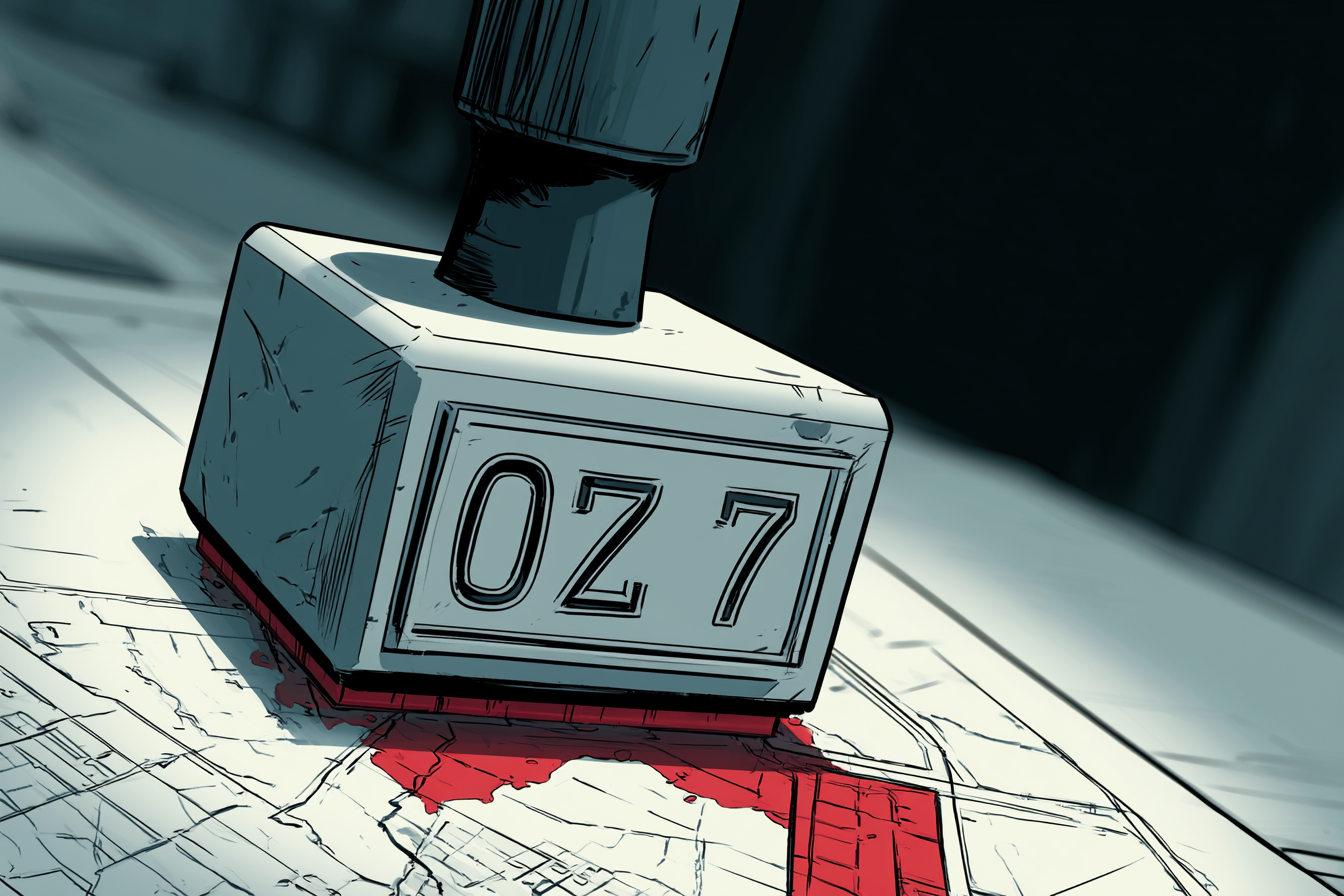
OZ-7 · How the Mechanism Routes
Step 1: Governor nominates census tracts meeting federal low-income criteria.
Step 2: Treasury certifies. Designation becomes permanent.
Step 3: Capital gains invested into a Qualified Opportunity Fund.
Step 4: Tax on original gains deferred; tax on fund gains eliminated after 10 years.
Step 5: No requirement to hire locally. No requirement to maintain affordability. No community benefit agreement required.
RESULT: Property values rise. Residents priced out. The zone designation ends only after the investment period. By then the original community is gone.